


Blog

What graduates need to do to find a job right after university-image

Finding a job right after university can feel like stepping into unfamiliar territory. You’ve worked hard, earned your degree, and are eager to start your professional journey. Yet the transition can be overwhelming. Companies are looking for candidates who stand out in a competitive market, and you need a strategy to position yourself at the front of the line.  Whether preparing for your final exams in your student apartments for rent near the University of Ottawa or getting ready to step into the professional world, let's explore our tips and tricks to increase your chances of landing a significant role. Reflect on your career path Before you start applying for jobs, take a moment to identify your long-term aspirations. Ask yourself: Where do I see myself in five years? Understanding your career objectives will guide every decision you make, from the positions you apply for to how you tailor your resume. With a clear vision of the path you want to pursue, you can filter out opportunities that don't align with your goals, saving time and energy by focusing on the correct positions. Polish your resume and cover letter Your resume and cover letter are your first impressions in the job market. They need to be clear, concise, and relevant to the role you are applying for. Showcase your strongest skills, academic achievements, and practical experiences. Emphasize projects you have completed during university that relate to the position. If you led a team, managed a tight schedule, or solved a complex problem, highlight these accomplishments in a way that communicates your ability to excel in the professional world. Your cover letter should also reflect your unique story. Rather than simply listing your qualifications, explain why you are enthusiastic about the opportunity and how your experiences align with the company’s needs. While it might take extra time to create a tailored cover letter, it demonstrates initiative and genuine interest. Connect with key industry professionals Networking isn’t just for seasoned professionals—it’s also vital for graduates. Start by connecting with professors, classmates, alumni, and professionals you meet at career fairs or networking events. These individuals can become important references and potentially open doors to hidden job opportunities. While online platforms are essential, remember that in-person interactions leave a stronger impression. Social media platforms such as LinkedIn can also significantly boost your visibility. Present yourself professionally, comment on industry-related posts, and share thoughtful articles. By doing so, you establish your credibility and demonstrate your enthusiasm for your field.  Develop skills through real-world experience One of the primary concerns for new graduates is a lack of professional experience. However, many ways exist to gather meaningful exposure without a full-time position. Internships, volunteer work, and part-time roles all count toward building your resume. Seek experiences that align with your desired field, as these help demonstrate your genuine interest and ability to thrive in that environment. If traditional opportunities are limited, consider creating your own. For instance, start a small project or collaborate with fellow graduates on a research initiative. Even side projects and community work can provide you with new skills and give recruiters insight into your capabilities. Perfect your interview approach Interview preparation is sometimes overlooked, but it’s critical. Research common interview questions, practice answering them aloud, and, if possible, conduct mock interviews with friends or mentors. This will help you feel more comfortable with the format and give you the confidence to tackle real-life interviews easily. During an interview, try to remain calm and focused. Each response should be concise and relevant and demonstrate how to solve the employer’s problems. Emphasize real experiences where you overcame challenges or achieved remarkable outcomes, linking these anecdotes directly to your desired role. Wrapping up The steps you take now will set the tone for your entire career. Approach the process with determination, stay informed about your industry, and always be open to learning. Though you may encounter obstacles, remember that each hurdle is an opportunity to refine your strategy and grow more potent as a professional. As you transition from university to the professional world, your living arrangements shape your daily experience. If you’re in Ottawa, find a place that offers comfort and convenience and makes this transition smoother. Consider student apartments for rent near the University of Ottawa offered by 417 Nelson Apartments . These off-campus housing provide more than just proximity to campus—they create an environment designed to support academic success and career growth. Living close to campus and local job opportunities allows you to take full advantage of networking events, job fairs, and interviews without the added stress of long commutes. Moreover, the comfort of a fully furnished setup reduces stress, allowing you to concentrate on your career goals rather than fretting over furniture.  

Read more
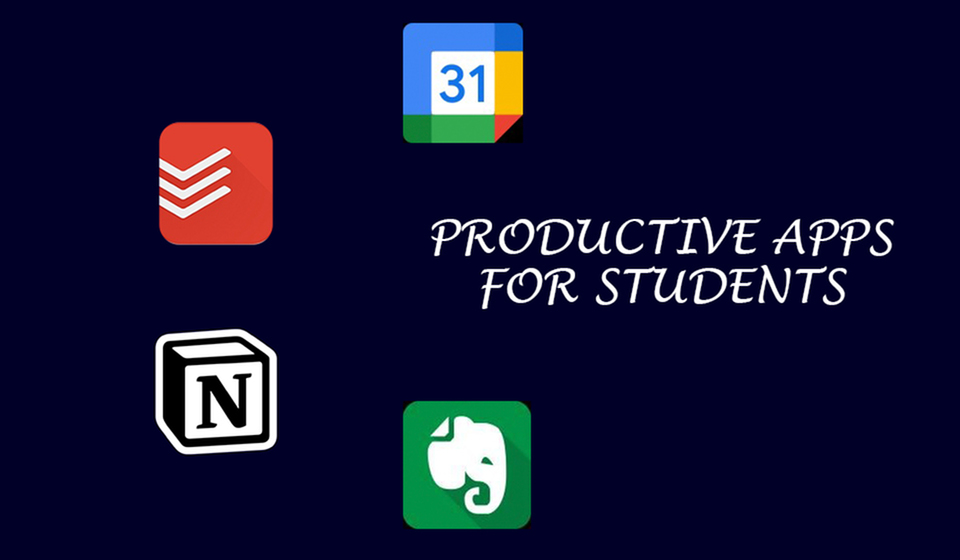

6 productivity apps every student needs for time and task management-image

In today’s digital era, students can access various productivity apps designed to improve focus, organize tasks, and streamline study routines. Mastering time management is crucial for academic success and allows students to pursue personal passions and maintain their mental well-being. After all, university life goes beyond lectures, textbooks, and late-night study sessions; it’s also about where you live, study, and create lasting memories.  For students attending the University of Ottawa, finding the right apartments near uOttawa plays a key role in shaping a successful academic experience. In this article, we’ll share a few productivity apps that can help you thrive in your studies, no matter where you call home. Todoist Todoist is a popular and highly effective task management app designed to help students stay organized and control their busy academic lives. Whether you're keeping track of assignments, upcoming deadlines, or extracurricular commitments, Todoist offers a clean, intuitive interface that makes organizing your schedule effortless. Features like due dates, reminders, priority levels, and project categorization allow you to manage your workload precisely. You can set recurring reminders for regular tasks and sync your to-do lists across all devices for seamless access. With Todoist, staying on top of your responsibilities becomes second nature, making it an essential productivity tool for students looking to manage time efficiently and reduce stress. Evernote Evernote is a versatile, all-in-one note-taking app tailored to help students easily capture, organize, and retrieve information. Whether you're jotting down lecture notes, saving web content for research, or compiling to-do lists, Evernote keeps everything neatly stored in one central hub. Its advanced search capabilities make finding information quick, even when your library contains notes. Thanks to real-time syncing across devices, you can access your content anywhere—at home, in the classroom, or on the move. Evernote is a great choice for students who need a powerful and reliable system to stay organized and increase productivity. Forest If staying focused during study sessions is challenging, Forest offers a refreshing and creative solution. This gamified productivity app encourages concentration through a simple concept: when you begin a task, you plant a virtual tree. As you remain focused, the tree grows. But if you exit the app to check your phone or get distracted, the tree dies. Over time, your consistent focus builds an entire forest—a visual testament to your discipline. Beyond improving study habits, Forest contributes to real-world reforestation efforts: you earn coins in the app that can be used to plant actual trees via partnered organizations. Forest is both a fun and meaningful tool that helps you build better focus while positively impacting the environment. Trello Trello is a flexible and collaborative project management app for group assignments and solo study planning. It allows users to create project boards, organize tasks into lists, and manage each task with detailed cards. Every card can include due dates, checklists, attachments, notes, and more, giving you complete control over your workload. You can drag and drop cards to mark progress, assign tasks, and easily integrate with tools like Google Drive and Slack. Trello also supports team collaboration—simply invite classmates to your board and keep everyone aligned on goals and timelines. With its drag-and-drop simplicity and robust functionality, Trello streamlines your academic life and helps you stay organized from start to finish. MyStudyLife This digital study planner is designed to streamline students' academic life by keeping class schedules, assignments, exams, and tasks in one convenient place. Cross-device syncing lets you stay organized on your laptop, tablet, or phone. This timetable management tool allows you to build and maintain a complete class schedule, including recurring lectures, seminars, and labs. Task tracking features let you input assignments, homework, and projects, which can be organized by subject, due date, or priority, making it easier to manage your workload effectively. The exam scheduling function also ensures you stay ahead of important dates with timely reminders, so you’re always prepared. Focus@Will Focus@Will is a distinctive productivity app that uses science-backed music to improve concentration and focus. Unlike standard music apps or playlists, Focus@Will features curated audio tracks to minimize distractions and strengthen mental clarity. Whether writing essays, studying for exams, or engaging in creative work, you can choose from various genres tailored to suit your mood and activity. Its customizable nature lets you fine-tune your listening environment, boosting productivity and mental endurance. If you’re easily sidetracked by noise or silence, Focus@Will offers the perfect background soundtrack to keep your mind sharp and on task. Final word Staying ahead in your academic journey isn't just about studying harder—it's about studying smarter. The right productivity apps can transform how you manage your time, stay organized, and reduce stress. Whether tackling tight deadlines with Todoist, organizing your study notes in Evernote, building better focus habits with Forest, or collaborating seamlessly using Trello and Google Drive, these tools give you the edge you need to thrive. And when you use these digital aids in the right environment, your productivity takes off. At 417 Nelson Apartments , our fully furnished, student-focused apartments near the University of Ottawa provide the perfect setting to stay motivated, connected, and on track. With modern amenities and a supportive student community, it's the ideal space to apply everything you've learned and make the most of your time, both in and out of class.

Read more
How studying abroad changes your perspective: A comprehensive guide-image

Studying abroad is one of the most transformative experiences a student can undertake. It offers a unique opportunity to immerse yourself in a new culture, explore diverse academic settings, and gain a global perspective—all of which foster lasting personal, academic, and professional growth. In this article, we’ll explore how studying abroad can unexpectedly enrich your life.  Expanding your global perspective One of the first things students notice when they move abroad is how differently people live, think, and interact. This cultural immersion teaches you to appreciate diversity, question assumptions, and adopt a more global outlook. You’ll walk through centuries-old campuses, attend international seminars, and engage with peers from every continent. These interactions enrich your understanding of different cultures and make you more culturally competent—an essential skill in today’s globalized workforce. Strengthening academic and professional skills Studying abroad pushes you to be more resourceful, independent, and critical in your thinking. Academic systems place significant emphasis on independent learning, research, and analytical writing—skills that prepare you for both postgraduate education and the job market. Universities' environments often encourage open discussion, debate, and personal initiative in coursework. You may be asked to write in-depth essays, conduct solo research, or contribute to group presentations on international issues. These academic demands help sharpen your communication, problem-solving, and organizational skills. These experiences not only build your résumé but also offer insight into how industries operate in a global context. Building key professional competencies Studying abroad also equips you with crucial soft skills that employers value. Here are just a few: Cross-cultural communication: Living and studying with people from different cultural backgrounds teaches you to communicate with sensitivity and clarity—an essential skill in teamwork. Adaptability: Adjusting to new academic systems, living arrangements, and social norms makes you more flexible and open to change. Networking: Universities abroad often host international career fairs, alumni events, and industry panels that allow you to connect with global professionals and mentors. Over time, these experiences can give you a competitive edge when applying for jobs or graduate programs, especially in fields like international relations, business, education, or public health. Fostering personal growth and independence Leaving the comfort of your home country can be daunting, but it’s also incredibly empowering. When you live abroad, you learn how to manage your schedule, solve problems independently, and navigate unfamiliar environments. You'll gain confidence and resilience in handling challenges. These skills often translate into stronger emotional intelligence, better decision-making, and a heightened sense of personal responsibility. Students often describe their study abroad experience as a turning point in their personal development—an experience that helped them grow up, gain self-awareness, and become more confident in their abilities. Boosting career opportunities In today’s competitive job market, global experience isn’t just an asset—it’s often a necessity. Employers are increasingly seeking candidates who can navigate cross-cultural environments, work effectively in international teams, and bring diverse perspectives to the table. Studying abroad signals to employers that you are independent, adaptable, and capable of handling change. It demonstrates initiative, maturity, and a willingness to step outside your comfort zone—all traits that hiring managers look for. Even beyond graduation, your international network of professors, peers, and professionals can play a crucial role in your job search or career advancement. Creating lifelong friendships and cultural connections Studying abroad offers countless opportunities to meet people from around the world—many of whom may become lifelong friends. From roommates and classmates to professors and mentors, your international experience while staying in off-campus housing in Ottawa connects you with diverse individuals who may continue to shape your personal and professional journey long after you’ve returned home. These friendships often become some of the most cherished aspects of the experience. Whether you're exploring new cities together, working on group projects, or attending cultural festivals, these shared moments build bonds that transcend borders. Conclusion Studying abroad is more than an academic adventure—a journey of growth, self-discovery, and transformation. From expanding your experience to building essential life and career skills, the benefits are truly far-reaching. You’ll return home with more than just academic credits; you’ll return with a renewed sense of purpose, a global network of friends and mentors, and a deeper understanding of your place in the world. At 417 Nelson Apartments , we understand that studying abroad is a significant milestone in your educational journey. That’s why we’re committed to helping students make the most of their international experience by providing comfortable, fully furnished, off-campus housing in Ottawa. But more than just offering a place to live, we create supportive living environments where students from diverse backgrounds can connect, thrive, and feel at home. With us, you're not just securing student housing—you’re joining a global community built around learning, culture, and lifelong connections.  

Read more
Best music artists to keep you focused while studying-image

Studying for long hours can be mentally exhausting, especially when distractions keep pulling your attention away. While some students prefer absolute silence, many find that the right music can help them stay focused, motivated, and engaged with their work. But not all music is beneficial for studying—some genres and artists can boost concentration, while others may be too distracting. If you’re looking for the best background music to improve productivity, this guide will introduce you to some of the best artists known for their ability to keep students focused. Whether you’re a university student residing in apartments near uOttawa or working from home, the right music can create an environment that supports deep focus and calmness. The power of music during study sessions Music influences the brain in many positive ways. Researchers have found that the right background music can reduce stress, refresh your mood, and even improve cognitive functions such as memory and attention. The key is to choose tracks that are unobtrusive yet engaging enough to keep your mind focused on the task at hand. For many students, the rhythm and melody of instrumental tracks create a steady, supportive backdrop for studying. Music without lyrics is often preferred, as words may compete with your internal dialogue. However, certain vocal tracks, when used carefully, can also stimulate creative thinking without causing distraction.   Artists known for instrumental excellence Johann Sebastian Bach Classical music is often synonymous with focus, and Johann Sebastian Bach stands out as a prime example. His compositions are known for their complex structures and clear progressions, which can help structure your thought process. Bach’s fugues and concertos provide a rhythmic consistency that many find soothing. Listening to his music might be the perfect antidote to stressful study sessions, allowing you to work through challenging problems with a calm mind. Ludwig van Beethoven Beethoven’s music, with its powerful crescendos and gentle interludes, offers a dynamic listening experience. His piano sonatas, in particular, have a balance of intensity and calm that can help maintain focus. The interplay between strong and soft passages encourages a steady mental rhythm, ideal for keeping you engaged during long study hours. Erik Satie Erik Satie’s compositions are minimalistic and reflective. His pieces, such as the Gymnopédies, offer a slow and deliberate pace that is perfect for background music. Satie’s work creates an unobtrusive atmosphere that promotes concentration without drawing too much attention away from your studies. His simple, repetitive patterns help in forming a consistent auditory environment that can improve your mental clarity. Contemporary artists with a modern twist Tycho For those who prefer a modern twist on instrumental music, Tycho is an excellent choice. His ambient tracks combine electronic elements with live instrumentation, creating soundscapes that are both innovative and calming. Tycho’s music can help block out distractions and keep your mind focused on the task at hand. His work is particularly popular among students who appreciate a blend of modern production techniques with timeless musicality. Explosions in the Sky Explosions in the Sky is a band known for their expansive instrumental compositions. Their music builds gradually, offering layers of sound that develop over time. This quality makes their tracks ideal for long study sessions, as they help create a sustained atmosphere of concentration. The gradual build-up and release of energy in their music can mirror your own workflow, supporting periods of intense focus followed by short, natural breaks. Nils Frahm Nils Frahm’s innovative approach to blending classical piano with ambient electronic sounds has earned him a dedicated following. His work is characterized by its dynamic range, from quiet, introspective moments to bursts of vibrant energy. Frahm’s music offers a balanced mix of calm and intensity, allowing you to adjust your mental state as needed throughout your study period. His compositions are both engaging and unobtrusive, making them a versatile choice for maintaining focus. Exploring ambient and electronic sounds Brian Eno Brian Eno is often credited with pioneering ambient music. His work creates expansive soundscapes that allow your mind to wander without becoming distracted. Eno’s approach to music is like painting a backdrop with soft, evolving colours—each note blends seamlessly into the next, creating an environment conducive to deep thought and reflection. His ambient tracks are especially helpful for students who need a gentle auditory stimulus while tackling complex subjects. Max Richter Max Richter’s music bridges the gap between classical and electronic music. His compositions are meticulously crafted, combining orchestral elements with modern production techniques. Richter’s soundtracks, often used in film and television, evoke powerful emotions without overwhelming the listener. His ability to craft a narrative through music makes his tracks ideal for those moments when you need to maintain a steady level of concentration and inspiration. Finding the right balance for your study routine Building your personal playlist The key to maximizing the benefits of music while studying is to build a playlist that suits your personal taste and the type of work you’re doing. Start by experimenting with different genres and artists until you discover a mix that helps you maintain focus. Some students prefer a continuous loop of one artist’s work, while others find that a varied playlist keeps their minds engaged throughout long study sessions. Consider the following tips when building your playlist: Keep it instrumental: Music without lyrics is less likely to interfere with reading or writing. Choose tracks with a consistent tempo: Consistency in rhythm can help regulate your mental pace. Mix familiar and new tracks: Familiar music can provide comfort, while new tunes can stimulate your brain. Adjust volume to suit your environment: Background music should be just audible enough to create a pleasant atmosphere without overwhelming your thoughts. The science behind music and concentration Studies suggest that music can reduce anxiety and improve focus by synchronizing brain waves with the rhythm of the music. This phenomenon, known as brainwave entrainment, has shown promising results in creating a conducive mental environment for learning. By carefully selecting music that aligns with your natural concentration levels, you can improve your study efficiency and reduce the cognitive load associated with challenging tasks. How music supports overall well-being Listening to music while studying is more than just a productivity hack—it’s a form of self-care. The right music can help regulate emotions, reduce stress, and even improve sleep quality. A balanced study routine that includes periodic music breaks will allow you to reset your mental energy and avoid burnout. Moreover, music can serve as a reminder that you deserve moments of calm amidst the rigours of academic life. Incorporating music as part of your study routine is a holistic approach to well-being. Whether you’re revising for exams or working on a creative project, the tunes of your chosen artists can make your work feel less like a chore and more like a journey.  Adopting a lifestyle of balance and focus Ultimately, the goal of incorporating music into your study routine is to create an environment that fosters both productivity and relaxation. Experiment with different artists and styles until you find the mix that suits you best. Remember, effective studying is not just about the material—it’s also about the atmosphere that surrounds you. When it comes to your living arrangements, creating a conducive study environment is just as important. 417 Nelson Apartments offers fully furnished student housing designed to support both your academic goals and personal well-being. Our thoughtfully designed spaces provide comfort, convenience, and a range of amenities to improve your study experience. If you're looking for an apartment near uOttawa that blends academic focus with relaxed living, 417 Nelson Apartments is the perfect choice. Our facilities create an ideal study sanctuary, helping you achieve success in both your studies and personal life. Explore our student housing options today and discover how 417 Nelson Apartments can provide the ideal setting for both your academic and personal growth.  

Read more
Common AI mistakes university students should avoid for better learning-image

Artificial intelligence (AI) is transforming the way we study, research, and manage our daily tasks. For university students, this technology offers both opportunities and challenges. While AI tools can streamline work and improve productivity, overreliance or misapplication may hinder your learning journey.  Below, we’re exploring common AI mistakes that students should avoid, while also providing practical advice on how to use these tools effectively. In addition, if you are looking for comfortable, convenient living arrangements, our fully furnished off-campus housing at 417 Nelson Apartments offers an ideal environment, especially for those seeking apartments near University of Ottawa . Understanding the role of AI in education AI has become a staple in modern education. From automated research tools to virtual tutoring, it promises to simplify complex tasks. However, successful learning requires more than just adopting the latest technology. Students must understand the limitations of AI and complement it with traditional study methods. Relying too heavily on AI-generated answers, for example, might reduce the development of critical thinking and problem-solving skills. The key is to see AI as an assistant rather than a replacement for learning. Balancing technology with human effort will help you achieve a deeper understanding of your subjects. Mistake 1: Relying on AI for everything Many students believe that AI can solve all their academic challenges. While these tools can provide quick answers, overdependence might lead to superficial learning. When you let AI do the heavy lifting, you risk not fully engaging with the material. Tip: Use AI for guidance rather than complete solutions. Start with your own research, draft your ideas, and then consult AI tools to refine your work. This balanced approach helps reinforce your understanding while still taking advantage of technological advancements. Mistake 2: Failing to verify AI-generated content One common pitfall is accepting AI-generated content at face value. AI systems are only as good as the data they are trained on, and sometimes, they may present outdated or incorrect information. This is especially important in academic settings where accuracy is paramount. Tip: Always verify the facts provided by AI. Cross-check with reputable academic sources or your course materials to ensure that the information is accurate. Developing this habit not only improves the quality of your work but also improves your research skills. Mistake 3: Overlooking the importance of critical thinking Critical thinking is a cornerstone of academic success. Relying solely on AI can sometimes lead to a passive learning experience, where students accept information without questioning its validity or exploring alternative viewpoints. Tip: Use AI to prompt deeper reflection. After receiving AI-generated content, ask yourself questions about the underlying assumptions, context, and potential biases. Engage in discussions with peers or professors to expand your perspective. This practice will help you build a robust analytical framework and improve your decision-making skills. Mistake 4: Ignoring ethical guidelines and plagiarism risks AI-generated content can sometimes be too similar to existing work, leading to unintentional plagiarism. Many universities have strict academic integrity policies, and submitting AI-generated assignments without proper editing and citation can have serious consequences. Tip: Paraphrase AI-generated text in your own words and cite sources properly. Use plagiarism detection tools to ensure originality, and always follow your university’s academic guidelines. Mistake 5: Not understanding the limitations of AI AI technology, despite its rapid development, is not infallible. It has limitations in understanding context, nuance, and complex academic theories. Relying on AI without recognizing these limitations can lead to oversimplification of intricate subjects. Tip: Keep a healthy skepticism about AI outputs. Understand that these tools are designed to assist rather than replace human judgment. Always combine AI-generated insights with your own analysis and research to arrive at well-rounded conclusions. Mistake 6: Poor time management with AI tools AI can be a double-edged sword when it comes to time management. On one hand, it can help streamline research and drafting processes; on the other, it may distract you with its endless capabilities. Spending too much time tweaking and refining AI outputs can lead to procrastination or burnout. Tip: Set clear boundaries for how you use AI tools. Allocate specific time blocks for research, drafting, and reviewing. By managing your time effectively, you ensure that AI serves as a productivity booster rather than a time sink. Mistake 7: Not refining AI prompts for better results AI responses depend on how well the prompts are structured. Vague or poorly worded prompts may result in generic or inaccurate answers, leading to confusion. Tip: Be specific when inputting prompts. Instead of asking, “Explain photosynthesis,” try, “Can you summarize the process of photosynthesis and explain its role in plant growth?” Refining prompts leads to more detailed and useful responses. Mistake 8: Neglecting human interaction in learning AI can provide instant answers, but it cannot replace human interaction, discussions, and collaborative learning. Some students rely on AI rather than engaging with professors or classmates, missing valuable perspectives. How to avoid this mistake: Balance AI use with real-world interactions. Participate in study groups, attend office hours, and engage in classroom discussions to gain a deeper understanding of your subjects. Mistake 9: Using outdated AI tools The field of AI is constantly evolving. Using outdated tools or versions may limit your learning experience and prevent you from benefiting from the latest improvements in AI technology. Older systems may also lack proper security measures or fail to deliver accurate information. Tip: Keep up with technological trends and regularly update your AI tools. If your institution provides access to advanced AI platforms, make use of them to stay current with technological advancements. This practice will help you leverage the most effective resources in your academic journey. How to integrate AI effectively into academic life The potential of AI in education is immense, but it must be integrated thoughtfully into your study routine. Here are some additional strategies to maximize the benefits of AI while avoiding common mistakes: Develop a balanced study plan: Combine AI-driven research with traditional study methods. This not only reinforces learning but also builds critical thinking skills. Engage in collaborative learning: Share your AI-generated insights with classmates and professors. This can spark deeper discussions and broaden your perspective on the subject matter. Reflect on your learning process: Regularly assess how AI tools are impacting your studies. Adjust your approach if you notice that technology is overshadowing your own learning efforts. Stay informed: The field of AI is continuously changing. Keep yourself updated with the latest trends and best practices to ensure that you are using the most effective tools. By integrating these strategies into your academic routine, you can harness the power of AI without falling into common pitfalls. Remember, technology should serve as a tool to improve your learning, not a substitute for it. Final word For university students, applying AI correctly can significantly improve academic performance. By avoiding common mistakes, you create an environment where technology supports rather than detracts from your studies. For example, when working on assignments, using AI to generate initial ideas or outline your thoughts can provide a useful starting point. However, the subsequent process of researching, verifying, and elaborating on these ideas should be done manually to ensure thorough comprehension and originality. For students living off-campus, having a stable and comfortable environment is just as important as effective study habits. At 417 Nelson Apartments , we understand the unique needs of university students. Our fully furnished off-campus housing offers a comfortable and supportive environment that allows you to focus on your studies. Located conveniently for those seeking apartments near the University of Ottawa, our amenities and community spaces are designed to promote both academic success and personal well-being. Explore our student housing options and see how 417 Nelson Apartments can help you make the most of your university experience.  

Read more
Easy ways to make local friends during your international studies-image

  Studying abroad is an exciting adventure, but it can also feel a bit overwhelming when you’re settling into a new country and culture. One of the most rewarding aspects of your international studies is building friendships with local students. These connections not only help you feel at home but also provide opportunities to learn about the culture, improve your language skills, and create lifelong memories. However, making friends in a new place can be challenging if you don’t know where to start. Why connecting with locals can feel challenging When you arrive in a new country, everything feels unfamiliar—the language, the customs, even the small social cues. It’s natural to feel hesitant about approaching local students, especially if you’re worried about being misunderstood or rejected. Cultural differences can also make it harder to find common ground or join conversations seamlessly. This can leave many international students feeling isolated or unsure of how to break the ice. Let’s explore some practical ways to make those connections. Don’t be shy The first step to making friends is overcoming shyness. It’s natural to feel nervous when meeting new people, especially in an unfamiliar environment. However, a simple smile or a friendly greeting can open the door to meaningful connections. Most people appreciate kindness and warmth, so don’t hesitate to start small conversations or introduce yourself. Remember, everyone was new at some point, and many students are likely feeling the same way. Taking that first step might be all it takes to start a new friendship. Visit Freshers’ Week Freshers’ Week is a golden opportunity to meet fellow students and locals alike. During this time, universities host a variety of events, from welcome fairs to campus tours and social gatherings. Take advantage of these activities to meet people in a relaxed and friendly setting.  Attend as many events as possible, and don’t hesitate to start conversations with local students. While they may not have travelled far to attend university, many are living away from home for the first time and are just as eager to make new friends as you are. Throw a party Students love to celebrate, so throwing a party at your student apartment near uOttawa can be a great way to meet new people. Invite your neighbours, classmates, or club members for a casual get-together. It can be something simple, like a movie night, a board game, or a potluck dinner. Creating a welcoming environment allows others to feel comfortable, and shared experiences like these often lead to lasting friendships. Plus, it’s a fun way to make your new space feel like home. Sign up for a buddy scheme Many universities offer buddy schemes where international students are paired with local students. These programs are designed to help you settle into your new environment while building a personal connection with someone familiar with the local culture. Your buddy can provide guidance, answer questions, and even introduce you to their circle of friends. It’s a structured yet personal way to make friends and feel more at ease in your new surroundings. Join a society Societies and clubs are excellent avenues for meeting people who share your passions. Whether you’re interested in photography, debate, or hiking, there’s likely a group for it. Joining a society helps you connect with others over shared interests, making it easier to form friendships. Don’t be afraid to try something new! Exploring different societies can lead to unexpected connections and broaden your horizons. Use social media Social media platforms like Facebook, Instagram, and WhatsApp can help you stay connected and find events or groups in your area. Many universities have dedicated pages or forums for students to interact, share information, and plan meet-ups. Additionally, apps like Meetup can connect you with locals or other students who are eager to expand their social circles. These tools make it easier to initiate and maintain connections in both virtual and real-world settings. Work together Collaborating on academic projects or study groups is a natural way to meet and bond with classmates. Working together fosters teamwork and provides opportunities for deeper interactions outside of lectures. Don’t hesitate to initiate group discussions or invite classmates to study sessions. These efforts can turn acquaintances into friends while boosting your academic performance. Share your language skills Being multilingual is a fantastic asset when making friends abroad. Offer to help your peers with language practice, or join a language exchange group where you can teach and learn from others. Language exchanges are not only practical but also a fun way to connect with locals who are curious about your culture and language. This mutual exchange often leads to meaningful friendships. Get to know your classmates Your classmates are among the first people you’ll meet during your studies. Take the time to interact with them before, during, and after classes. Simple gestures like sharing notes, discussing assignments, or grabbing coffee together can pave the way for stronger connections. Building relationships with your classmates also creates a support network for academic and personal growth, making your international experience even more fulfilling. Show off the cuisine from your home country Food is a universal language that brings people together. Host a dinner or cook traditional dishes from your home country to share with your new friends. It’s a wonderful way to introduce them to your culture while creating a relaxed and enjoyable atmosphere. Encouraging others to share their own culinary traditions can make the experience even more interactive and fun. These shared meals often become cherished memories that strengthen your friendships. Conclusion Making local friends during your international studies may seem daunting at first, but with a proactive and open-minded approach, it’s entirely achievable. Whether you join campus clubs, participate in cultural events, or simply start conversations in your shared spaces, every effort you make brings you closer to building meaningful connections.  Living at 417 Nelson Apartments also embraces this journey by providing a supportive and engaging environment where friendships can flourish. With its fully furnished apartments and limitless amenities, 417 Nelson Apartments is more than just a place to live—it’s a gateway to building friendships and making the most of your international studies. The shared green space creates natural opportunities to interact with fellow residents.  Schedule your tour today and discover the joys of connecting with the local community during your international studies.

Read more