

 Procrastination is a consequence of being human. Knowing this likely does little to make you feel better about the stress procrastinating ultimately brings. However, understanding why we procrastinate is important for learning to overcome bad habits and become a better student.
The Science of Procrastination
When you become aware of the need to complete a task you’d rather not do, a fight begins in your brain between two distinct regions. The first region is the limbic system, which is responsible for unconscious processes and includes the pleasure centre. The other is the prefrontal cortex, which handles functions critical to planning. Only one of these areas of your brain can win the fight.
Often, the limbic system wins. The result is a sense of relief that you won’t be starting on your assignment just yet — you can put it off until later. The reason it often wins is that the limbic system is, in evolutionary terms, one of the oldest parts of the brain. It comes into action automatically as a survival mechanism, telling you to avoid tasks you find unpleasant. It is concerned about making sure you avoid stress in the present; it has no concerns about the future.
In contrast, the prefrontal cortex evolved much more recently. Unlike the limbic system, it doesn’t work automatically — it requires you to give it input, meaning you need to consciously decide to buckle down and make some progress on your assignment. Therefore, by engaging in a task, you stop the limbic system from taking over.
Using Mindfulness to Overcome Procrastination
The biological mechanisms underlying procrastination indicate what you need to do to overcome bad habits — namely, be more mindful. Practising mindfulness simply means becoming more aware of your external environment and internal thoughts, feelings, and sensations. In terms of procrastination, it means putting your thoughts about why you don’t want to complete a certain task into words.
By being mindful, you’ll reap the rewards of your actions. Since learning is all about finding out which behaviours lead to rewards, practising mindfulness means it becomes easier to fight procrastination over time. Instead of feeling rewarded by putting off tasks until later, you acknowledge that procrastination leads to anxiety and see greater rewards from tackling the assignment (or whatever else you don’t feel like doing) immediately.
The other thing mindfulness does is fuel your curiosity. You’ll not just be curious about the work you’re about to undertake — curiosity also comes from being actively engaged in your emotions. The most rewarding of these is the sense of achievement you gain from completing an assignment you had been putting off.
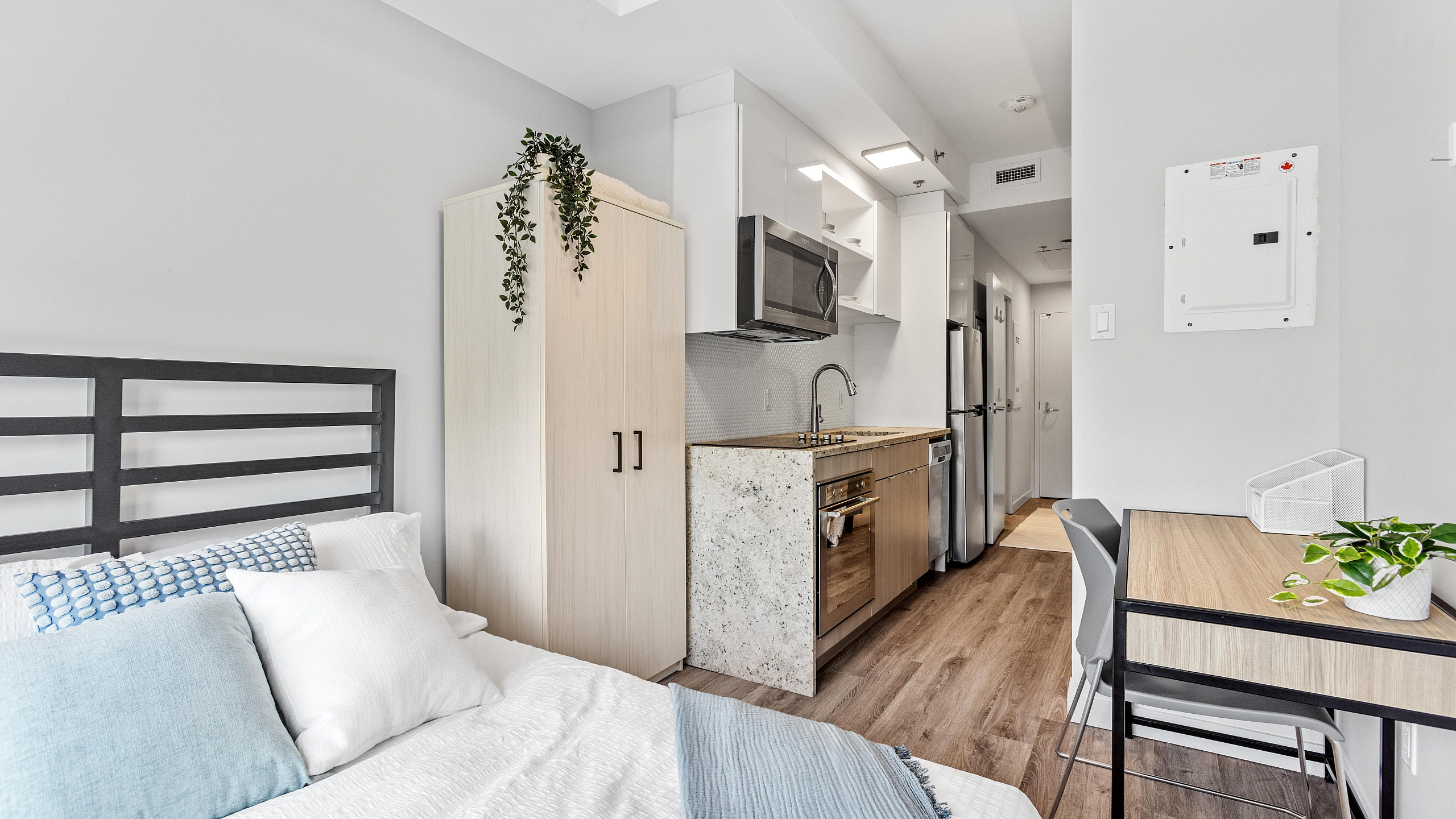
Feeling motivated to study is another major factor in helping you overcome procrastination. This means having a quiet place where you can focus away from other people and distractions. For apartments near uOttawa that offer everything you need for a great student experience, look no further than 417 Nelson. Choose between sharing an apartment (with your own bedroom and en suite bathroom) or having a studio apartment to yourself. All our suites are fully furnished with students in mind. Contact us for more information.