

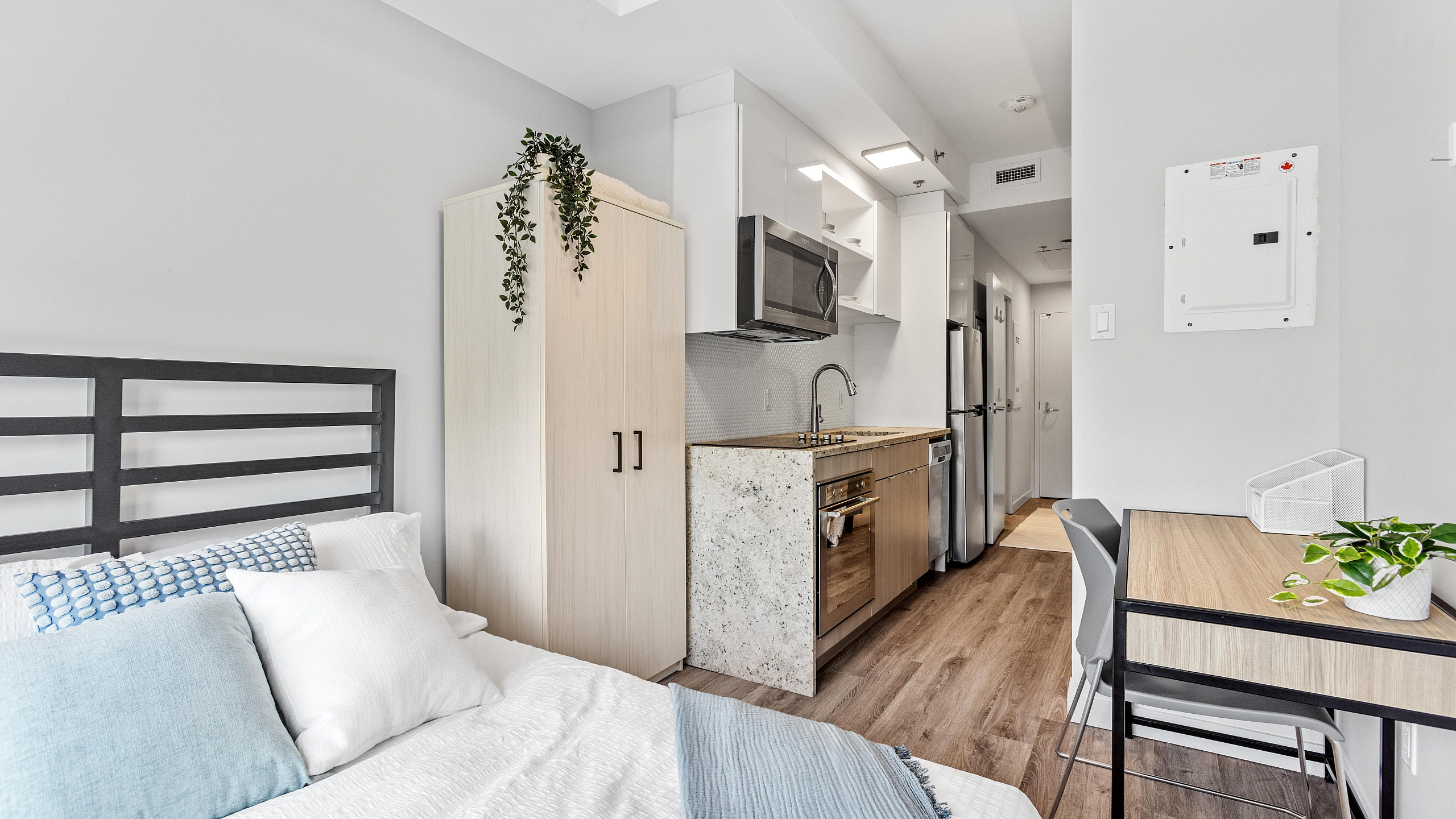

Living with a roommate can be a great way to make friends and share responsibilities while attending university. For many students, it’s an exciting part of their university journey because it offers social benefits.
However, it’s not always smooth sailing. Differences in habits, lifestyles, and expectations can sometimes lead to disagreements. Whether it’s about cleaning, paying bills, or sharing spaces, these conflicts can affect the comfort and peace of the household if not addressed properly.
With the right strategies, it’s possible to resolve problems early and even prevent them from happening. In this guide, explore practical ways to handle roommate conflicts, create clear rules, and maintain a positive living environment.
Understanding the sources of conflict
- Different personalities and lifestyles: Roommates often come from different backgrounds. One person might be very tidy and quiet, while another might be more relaxed about cleaning and noise. These differences can lead to frustration if not handled early. Recognizing and respecting each other’s habits is the first step toward a peaceful living arrangement.
- Financial disagreements: Money is one of the most common sources of tension. Disputes can happen if someone is late paying daily expenses, if grocery bills are not split fairly, or if there’s confusion about shared purchases. Clear agreements on how to manage finances should be set from the start.
- Use of shared spaces: The kitchen and living room are common areas that require cooperation. Disagreements about cleanliness, noise, or guests can create tension. Having clear guidelines about how these spaces should be used can prevent unnecessary conflicts.
Communication techniques for resolving conflicts:
- Open and honest conversations: Good communication is the foundation of conflict resolution. Roommates should feel comfortable talking about concerns without fear of judgment. Regular check-ins or household meetings can help keep communication open.
- Active listening: Listening carefully is just as important as speaking openly. Active listening means letting the other person share their point of view without interruption, repeating back what you’ve heard to ensure understanding, and showing empathy.
- Using a neutral third party: Sometimes disagreements are too big to solve on your own. A neutral person, such as a mutual friend or a residence advisor, can help mediate the discussion and guide you toward a fair solution.
Preventive strategies to avoid conflict:
- Set clear rules early: Agreeing on house rules at the very start makes everything easier. Rules should cover chores, payments, noise levels, and respect for each other’s privacy. Putting these in writing helps everyone remember what was agreed upon.
- Make a chore schedule: A fair cleaning schedule ensures everyone contributes equally. Rotating responsibilities also prevents resentment and keeps the household running smoothly.
- Keep finances transparent: Using expense-sharing apps or a shared budget sheet can make it easy to track payments. This prevents misunderstandings and ensures no one feels taken advantage of.
Long-term solutions for peaceful living:
- Respect each other: Respect is the foundation of a healthy roommate relationship. This includes being mindful of noise levels, respecting privacy, and considering each other’s daily schedules. Small acts of courtesy, like asking before borrowing something, can go a long way in maintaining harmony.
- Spend time together: Taking part in shared activities, such as cooking dinner, watching a movie, or exploring the city, can strengthen your connection. When you have a friendly relationship, it’s easier to solve problems together.
- Be flexible: Not everything will go exactly as planned in a shared living space. Being willing to compromise and adapt when unexpected situations arise helps maintain a positive atmosphere.
- Keep communication ongoing: Don’t wait until problems become big. Regularly check in with each other to talk about small issues before they grow. This makes conflict resolution much easier.
- Celebrate milestones together: Recognize each other’s achievements, whether it’s a good grade, a birthday, or a personal goal. Celebrating together builds a supportive and caring environment.
- Maintain personal space: While shared time is important, giving each other space to relax alone is just as valuable. Respecting personal boundaries helps everyone feel comfortable in their home.
- Support each other during stressful times: University life can be challenging, with exams, deadlines, and personal pressures. Offering understanding and help during stressful periods can strengthen your roommate bond and create a more supportive household.
Conclusion
With the right approach, living with roommates can be a rewarding experience. By setting clear rules, practicing open communication, and respecting each other’s needs, you can create a peaceful home environment. Conflicts may arise, but with patience and compromise, they can be resolved in a way that strengthens relationships.
If you’re looking for a student apartment for Rent Near UOttawa, 417 Nelson Apartments offers fully furnished student apartments designed with student lifestyles in mind. With modern amenities, comfortable living spaces, and a supportive community environment at 417 Nelson Apartments, it’s easier to focus on your studies while enjoying a balanced social life. Choosing the right housing sets the foundation for peaceful and positive roommate relationships.